Curious about Microsoft Dynamics 365 pricing in 2024? Let’s break down everything—from costs to licensing, so you can make a smart decision for your business.
1. Understanding Microsoft Dynamics 365 Pricing Structure

Microsoft Dynamics 365 pricing can be complex due to its modular nature. Each application is priced separately, and the cost depends on user type, license type, and deployment model.
1.1 Licensing Models
Microsoft offers two primary licensing models for Dynamics 365:
- User-based licensing: Charges per named user.
- Device-based licensing: Charges per device used by multiple users.
Each model suits different business scenarios, and choosing the right one can optimize your budget.
1.2 Module-Based Pricing
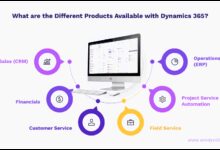
Dynamics 365 is divided into several modules, each targeting specific business functions:
- Sales
- Customer Service
- Field Service
- Finance
- Supply Chain Management
- Commerce
- Human Resources
Each module has its own pricing tier, and businesses can mix and match based on their needs.
2. Core Applications and Their Pricing
Let’s dig deeper into the core applications of Dynamics 365 and their respective pricing as of 2024.
2.1 Dynamics 365 Sales
Pricing for Sales app:
- Sales Professional: $65/user/month
- Sales Enterprise: $95/user/month
- Sales Premium: $135/user/month
Each tier includes different levels of functionality, from basic lead tracking to AI-driven insights.
2.2 Dynamics 365 Customer Service
Pricing tiers:
- Customer Service Professional: $50/user/month
- Customer Service Enterprise: $95/user/month
Enterprise includes advanced case management and analytics.
3. Industry-Specific Solutions and Add-ons
Microsoft Dynamics 365 pricing also depends on industry-specific solutions and add-ons that enhance core modules.
3.1 Industry Accelerators
Microsoft offers accelerators for industries like:
- Healthcare
- Financial Services
- Education
- Nonprofit
These are often free but require configuration and integration effort.
3.2 Power Platform Add-ons
Power BI, Power Automate, and Power Apps can be integrated with Dynamics 365. Power BI Pro, for instance, costs $10/user/month.
4. Microsoft Dynamics 365 Pricing for SMBs vs Enterprises
Pricing varies significantly between small businesses and large enterprises.
4.1 Small Business Plans
Microsoft offers bundled plans like:
- Business Central Essentials: $70/user/month
- Business Central Premium: $100/user/month
These are ideal for SMBs needing an all-in-one ERP solution.
4.2 Enterprise Licensing
Enterprise customers often negotiate custom pricing. Volume licensing and Microsoft Enterprise Agreements can reduce costs significantly.
“Enterprise customers can leverage Microsoft Volume Licensing to cut down costs by up to 40%.” — Gartner Report 2023
5. Dynamics 365 Licensing Types Explained
Licensing types impact Microsoft Dynamics 365 pricing. Let’s break down the main types:
5.1 Full Users vs Team Members
- Full Users: Have access to all features of a particular module. Priced higher.
- Team Members: Limited access for light users. $8/user/month.
5.2 Attach Licenses
Attach licenses allow users to access multiple apps at a discounted rate. For example, if you have a Sales Enterprise license, you can attach Customer Service Enterprise for just $20/user/month.
6. Deployment Options and Pricing Implications
Microsoft Dynamics 365 can be deployed in the cloud, on-premises, or in a hybrid model. Each has pricing implications.
6.1 Cloud Deployment
Most popular option. Pricing includes hosting, updates, and support. Scalable and secure.
6.2 On-Premises Deployment
Requires upfront investment in infrastructure. Licensing through Dynamics 365 Server CALs (Client Access Licenses).
7. Hidden Costs and Budgeting Tips
Understanding the hidden costs of Microsoft Dynamics 365 pricing is crucial for accurate budgeting.
7.1 Implementation and Customization
Implementation can cost between $10,000 to $500,000 depending on complexity. Customization adds to this.
7.2 Training and Support
Training costs vary but can average $1,000 per user. Consider ongoing support costs as well.
8. Comparing Microsoft Dynamics 365 Pricing with Competitors
How does Dynamics 365 stack up against Salesforce, Oracle, and SAP?
8.1 Salesforce vs Dynamics 365
Salesforce is often more expensive. Dynamics 365 Sales Enterprise at $95 is cheaper than Salesforce Sales Cloud Enterprise at $150/user/month.
8.2 SAP and Oracle ERP
SAP and Oracle offer robust ERP solutions but come with higher implementation and licensing costs.
For a full comparison, check out this Dynamics vs SAP comparison.
9. How to Get the Best Deal on Microsoft Dynamics 365
Tips to reduce Microsoft Dynamics 365 pricing:
- Use Microsoft CSP partners
- Leverage volume licensing
- Choose only necessary modules
- Negotiate bundled pricing
Many resellers offer discounts and added services.
10. Future Trends in Microsoft Dynamics 365 Pricing
Expect AI and machine learning features to become premium add-ons. Microsoft may also introduce usage-based pricing models.
10.1 AI-Driven Pricing Models
With Copilot and Dynamics 365 AI, expect new tiers based on usage and data volume.
10.2 Subscription Flexibility
Microsoft may introduce more flexible month-to-month plans, especially for SMBs.
What is the cheapest Microsoft Dynamics 365 plan?
The cheapest plan is the Team Member license at $8/user/month, offering limited access.
Is there a free version of Microsoft Dynamics 365?
No, but Microsoft offers free trials for most apps for up to 30 days.
Can I mix and match different Dynamics 365 apps?
Yes, Dynamics 365 is modular. You can license only the apps you need.
Are there discounts for non-profits or education?
Yes, Microsoft offers discounted pricing for eligible non-profits and educational institutions.
How often does Microsoft update Dynamics 365 pricing?
Pricing is reviewed annually, but changes can occur based on feature updates or new releases.
Microsoft Dynamics 365 pricing may seem overwhelming, but understanding its structure, modules, and licensing options can help you make an informed investment. Whether you’re a small business or a large enterprise, there’s a plan that fits your needs and budget.
Recommended for you 👇
Further Reading:
